The Illusion of Luck
When it comes to gambling, many people believe that luck is the primary factor determining success. This perception is prevalent among casual players who may not fully understand the mechanics behind games of chance. In reality, while luck does play a role, it is often overemphasized, especially when considering options like sport betting canada that require deeper knowledge. Gamblers frequently attribute their wins or losses to luck rather than acknowledging the influence of skill, strategy, and probability. Understanding this illusion is crucial for developing a more realistic approach to gambling.
Moreover, the belief in luck often leads players to make irrational decisions. For instance, someone might continue to bet on a losing streak in hopes that their luck will change. This behavior can be harmful, as it may result in significant financial losses. Instead, players should focus on understanding the odds of each game and adopting strategies that maximize their chances of winning. By shifting their perspective from luck to informed decision-making, gamblers can improve their overall experience.
Additionally, many players cling to superstitions, believing that certain rituals can influence their luck. Whether it’s wearing a particular item of clothing or performing a specific action before a game, these practices can give players a false sense of control. In truth, these rituals have no bearing on the outcome of the game. Acknowledging this fact allows gamblers to let go of these superstitions and approach gambling with a clearer mindset, focusing on strategies rather than mere luck.
The Role of House Edge
Every gambling game has a built-in advantage for the house, often referred to as the house edge. This edge is a mathematical calculation that reflects the average percentage of each bet that a casino keeps over time. Understanding the house edge is essential for anyone engaging in gambling, as it highlights how the odds are often stacked against players. While luck might lead to short-term wins, the house edge ensures that the casino profits in the long run.
For example, in games like blackjack, players can influence their odds through strategy and decision-making, but there still exists a house edge that players must contend with. Even the most skilled players cannot eliminate the house’s advantage entirely. Recognizing the presence of the house edge can help players manage their expectations and make informed choices about which games to play based on their knowledge and skill levels.

Additionally, the perception of the house edge can often lead to misconceptions about the fairness of gambling games. Players may feel that the games are rigged against them, but in reality, the house edge is a standard aspect of all gambling. Understanding this concept can help players approach games with a more balanced mindset, allowing them to enjoy the experience without undue stress or disappointment related to perceived unfairness.
The Impact of Skill and Strategy
While luck is frequently touted as the primary factor in gambling, the importance of skill and strategy cannot be overstated. Many games, particularly those involving cards or boards, offer opportunities for skilled players to outperform their less experienced counterparts. For instance, poker is a game where strategy, psychology, and skill play crucial roles in determining the outcome. Players who understand the nuances of the game can make informed decisions that increase their odds of success.
In addition, even seemingly luck-based games can benefit from strategic gameplay. In roulette, for example, players can choose to place bets on specific numbers or colors that might provide better returns based on previous outcomes. Although the roulette wheel spins randomly, understanding the odds associated with different betting options can help players make better choices. This highlights that strategy, paired with an awareness of the game’s mechanics, can significantly influence a player’s success.
The combination of skill and strategy can lead to better management of a player’s bankroll. Those who understand how to calculate risks and potential rewards are less likely to make impulsive bets driven by emotions or short-term fluctuations in luck. By focusing on developing their skills and applying strategies, gamblers can enhance their chances of winning in the long run, proving that preparation and knowledge can be just as powerful as luck.
Psychological Factors in Gambling
The psychology behind gambling plays a significant role in the perception of luck and outcomes. Gamblers often experience a phenomenon known as the “gambler’s fallacy,” where they believe that past events will influence future outcomes in games of chance. For example, if a coin has landed on heads several times in a row, a gambler might irrationally believe that tails is now more likely to occur. This fallacy can lead to poor betting decisions that are not grounded in reality.
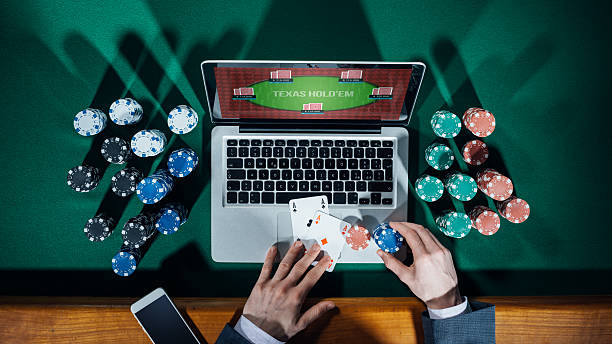
Moreover, the thrill of gambling can create a rush that distorts a player’s perception of luck. The excitement of a potential win can lead individuals to lose focus on the mathematical realities of the game. This emotional investment can obscure rational thought and prompt players to chase losses or engage in increasingly risky behaviors. Recognizing these psychological factors is essential for maintaining a healthy approach to gambling.
Additionally, understanding the psychological elements involved can help players cultivate a more disciplined mindset. By acknowledging emotional triggers and the cognitive biases that can skew their decision-making, gamblers can develop strategies to mitigate their impact. For instance, setting strict limits on betting amounts and taking breaks can help players stay grounded and prevent impulsive choices fueled by emotion rather than logic.
The Importance of Responsible Gambling
In light of the various myths surrounding luck in gambling, it is crucial to emphasize the importance of responsible gambling practices. Recognizing that luck is not the sole determinant of success can help individuals approach gambling with a more balanced, mindful attitude. This shift can prevent harmful behaviors, including chasing losses and gambling beyond one’s means, which can lead to financial ruin and emotional distress.
Responsible gambling also involves understanding personal limits and setting clear boundaries. Players should establish budgets for their gambling activities and stick to them, treating any losses as entertainment expenses rather than potential investments. This approach can ensure that gambling remains a fun and enjoyable pastime rather than a source of stress or financial hardship.
Furthermore, promoting awareness around responsible gambling can foster healthier attitudes within communities. By encouraging open discussions about the mechanics of gambling, including the realities of luck and skill, individuals can better prepare themselves to engage in gambling activities safely. Organizations dedicated to responsible gambling can provide resources and support, helping players make informed choices that prioritize their well-being.